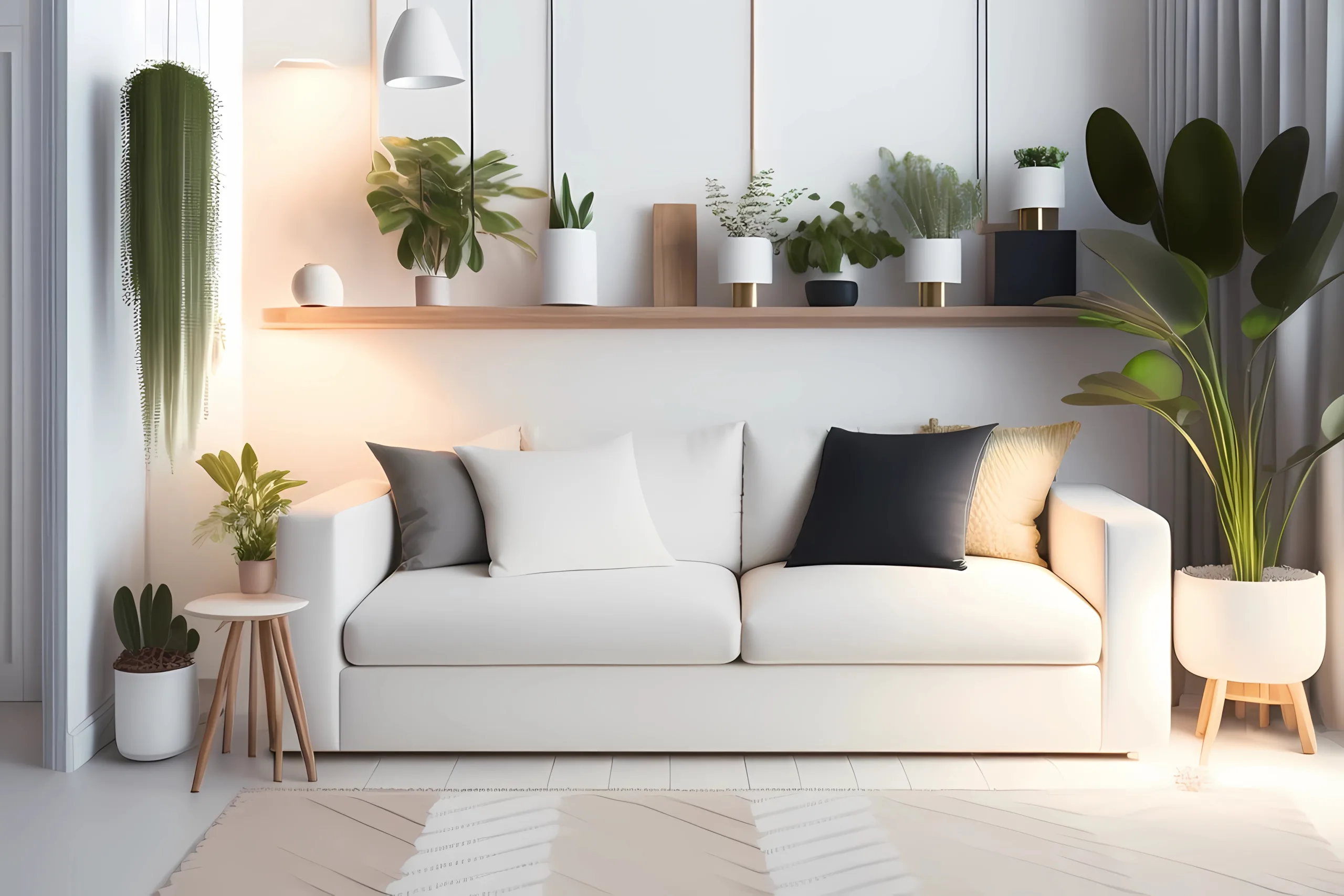
The best indoor plants for a small apartment are not simply "small plants." They are plants whose mature size, light needs, watering rhythm and growth habit fit the way you actually live.
Small apartments create a particular set of plant problems: limited floor space, mixed light, dry air from heating or air-conditioning, narrow windowsills, curious pets and a strong temptation to buy plants for corners that do not receive enough daylight.
The good news is that many excellent houseplants are naturally compact, tolerant of ordinary indoor conditions or easy to grow vertically. The key is matching the plant to the space instead of trying to force the space to suit the plant.
Before choosing a plant, measure the light
"Low light" does not mean no light. The Royal Horticultural Society notes that even easy-care houseplants need daylight; a windowless room is not a suitable long-term location without supplemental grow lighting.
Think of apartment light in practical zones:
- Bright indirect light: near a well-lit window but protected from harsh midday sun.
- Medium light: farther from the window or near an east/north exposure, depending on location and obstructions.
- Lower light: a dimmer part of a room that still receives meaningful natural daylight.
Nearby buildings, balconies, trees and tinted glass can change the light dramatically, so orientation alone does not tell the whole story.
1. Peperomia - best for desks and shelves
Peperomias are one of the easiest categories to recommend for small apartments because many species stay compact. The RHS describes them as adaptable, low-maintenance houseplants, often under about 30 cm tall, with a wide range of leaf shapes and textures.
Why it works in a small apartment: compact footprint, decorative foliage and moderate growth.
Light: bright indirect light is ideal for many types.
Water: allow the upper part of the mix to dry between waterings; persistent wetness can lead to root problems.
Pot strategy: choose a small draining pot rather than upsizing aggressively.
2. Spider plant - best for hanging or elevated spaces
Spider plants use vertical space beautifully. Their arching leaves and hanging plantlets make them ideal for shelves, plant stands or hanging planters where floor space is limited.
The RHS describes spider plants as easy to grow, tolerant of some neglect and capable of handling both bright and lower-light indoor conditions.
Why it works: narrow footprint and cascading growth.
Light: bright indirect light is best, though it tolerates lower light.
Water: water regularly but avoid leaving the plant in soggy growing medium.
Pot strategy: use a stable hanging or shelf pot with reliable drainage.
3. ZZ plant - best for low-maintenance corners
ZZ plants are valued for their architectural form and ability to tolerate a broad range of indoor light. RHS guidance notes that Zamioculcas can grow from low to bright indirect light and stores water in its underground rhizomes.
Why it works: upright habit, slow growth and low watering frequency.
Light: adaptable, but growth is usually stronger with good indirect light.
Water: let the growing medium dry well between waterings.
Pot strategy: choose a pot that does not hold excess moisture around the rhizomes.
4. Snake plant - best for a narrow vertical footprint
Snake plants grow upward rather than outward, which is useful beside furniture, in a bedroom corner or near a narrow window. Their stiff leaves create architectural height without consuming much floor area.
Penn State Extension includes snake plants among houseplants that can adapt to lower-light conditions. They are also drought-tolerant, so they suit people who prefer a less frequent watering routine.
Why it works: vertical form and small footprint.
Light: flexible, though good indirect light supports stronger growth.
Water: allow the mix to dry significantly between waterings.
Pot strategy: use a stable container because taller clumps can become top-heavy.
5. Prayer plant / Calathea group - best for patterned foliage
Prayer plants are an excellent choice when you want color and pattern without a large plant. Many stay relatively compact and create a lush tropical effect on a table or plant stand.
RHS guidance recommends bright indirect light, warmth and higher humidity for calatheas and related genera. They dislike strong summer sun and prolonged overwatering.
Why it works: high visual impact in a moderate footprint.
Light: bright indirect light or light shade.
Water: keep conditions more even than you would for a ZZ or snake plant.
Pot strategy: a draining pot inside a decorative cachepot can make watering easier indoors.
6. Pothos - best for trailing growth
Pothos is popular because it can trail from shelves, climb a support or be trained along a wall. That flexibility lets you add a lot of visible foliage without using much floor space.
The RHS includes Epipremnum aureum among houseplants that tolerate lower-light and variable indoor environments.
Why it works: uses vertical or overhead space.
Light: medium to bright indirect light gives fuller growth; lower light is tolerated.
Water: allow some drying between waterings rather than keeping the mix constantly saturated.
Pot strategy: lightweight hanging containers can reduce load, but mounting hardware must be secure.
7. Parlour palm - best for soft height without a huge canopy
Parlour palms create height and a softer silhouette than many broad-leaf tropical plants. They are slower-growing than large statement palms and can work well where you want greenery without overwhelming the room.
The RHS lists Chamaedorea elegans among houseplants suitable for lower-light, changeable indoor conditions.
Why it works: elegant vertical presence with relatively restrained growth.
Light: indirect light; avoid harsh direct sun.
Water: keep reasonably even moisture but do not allow the roots to sit waterlogged.
Pot strategy: a slightly heavier base helps keep taller specimens stable.
8. Chinese evergreen - best for foliage color in moderate light
Chinese evergreen (Aglaonema) offers patterned foliage and a tidy, clumping form. Darker-leaved varieties are particularly useful where the light is not intense.
Penn State Extension discusses Chinese evergreen as a plant that can adapt to lower-light interiors, though colorful variegation can be affected by lighting conditions.
Why it works: dense foliage, manageable size and slow-to-moderate growth.
Light: medium indirect light; some darker varieties tolerate lower levels.
Water: avoid keeping the pot permanently wet.
Pot strategy: a broad stable pot works well as the plant develops a fuller clump.
9. Hoya - best for a compact trailing or climbing collection
Hoyas can be trained around a small trellis or allowed to trail from a shelf. Their waxy leaves and relatively restrained watering needs make them attractive for people who want a plant that looks sculptural even when it is not flowering.
Why it works: vertical flexibility and slow-to-moderate growth.
Light: bright indirect light is a strong starting point.
Water: let part of the potting mix dry before watering again.
Pot strategy: do not oversize; many hoyas prefer a relatively snug root environment.
10. Cast-iron plant - best for a quiet, durable floor plant
Cast-iron plant (Aspidistra) has a reputation for tolerating less-than-perfect indoor conditions. Its upright leaves create a strong floor-level form without the huge spread of many tropical statement plants.
Why it works: durable foliage, modest spread and tolerance of lower light.
Light: low to medium indirect light; avoid strong direct sun.
Water: let the upper layer dry somewhat between waterings.
Pot strategy: use a container heavy enough to balance the mature clump.
What about pets?
Plant toxicity is an important apartment consideration because pets have less room to avoid - or ignore - your collection. The ASPCA maintains a searchable database of plants reported as toxic or non-toxic to cats, dogs and horses.
Do not assume that a plant is pet-safe because it is common. For example, the ASPCA lists several popular houseplants among toxic species. If you share your home with a cat or dog that chews foliage, verify the exact botanical plant before bringing it home and position plants accordingly.
The ASPCA lists prayer plant/Calathea types as non-toxic, and peperomias are commonly included among non-toxic options, but always confirm the exact species or cultivar you are buying.
How to fit more plants into less space
Use vertical layers
Combine floor, table, shelf and hanging heights. Five plants spread vertically can feel spacious; five plants crowded on one windowsill can feel chaotic.
Choose narrow planters for upright plants
ZZ and snake plants do not need decorative pots much wider than their root system. A compact outer footprint preserves floor area.
Use plant stands instead of larger pots
If the plant needs more visual height but not more root volume, elevate it with a stand rather than moving it into an unnecessarily large container.
Rotate instead of overfilling
If only one window has excellent light, rotate decorative positions rather than trying to make every dark corner a permanent growing location.
Container mistakes that are especially annoying in apartments
- No drainage plan: water on floors and furniture becomes a constant risk.
- Oversized pots: unnecessary weight makes cleaning and rearranging difficult.
- Very tall unstable planters: pets, vacuum cleaners and narrow walkways increase tipping risk.
- Heavy stone pots upstairs: they can be difficult to move even when the plant needs a light adjustment.
- Too many tiny pots: they dry quickly and create repetitive watering work.
For a container recommendation based on your plant and location, try Find My Pot. For styling ideas, see our guide to design pots.
A quick apartment plant decision guide
| If you need... | Start with... | Why |
|---|---|---|
| Small desk plant | Peperomia | Compact and decorative |
| Hanging plant | Spider plant or pothos | Uses vertical space |
| Low-maintenance upright plant | ZZ plant | Slow-growing and drought-tolerant |
| Narrow floor plant | Snake plant | Strong vertical form |
| Patterned foliage | Prayer plant / Calathea | High visual impact without large size |
| Soft vertical texture | Parlour palm | Airy shape and restrained footprint |
Frequently asked questions
What is the best plant for a very small apartment?
Peperomia is one of the easiest starting points because many varieties remain compact. If floor space is the main constraint, a trailing spider plant or pothos can use vertical space instead.
What is the best low-light apartment plant?
ZZ plant, snake plant, Chinese evergreen and parlour palm are commonly used in lower-light interiors. Remember that "low light" still means natural daylight - not a permanently dark room.
Which apartment plants are easiest to water?
ZZ and snake plants tolerate substantial drying between waterings, which reduces frequency. Spider plants and tropical foliage plants usually prefer a more regular rhythm.
Are houseplants safe for pets?
Some are and some are not. Check the exact plant against a reputable toxicity database such as the ASPCA list before purchase, especially if your pet chews leaves.
Should apartment plants use self-watering pots?
They can be helpful for plants that prefer steadier moisture, but they are not ideal for every species. See our smart pots guide for the trade-offs.
Sources and further reading
- Royal Horticultural Society - Choosing the best houseplants
- Royal Horticultural Society - Easy-care houseplants
- Royal Horticultural Society - Spider plant growing guide
- Royal Horticultural Society - Peperomia growing guide
- Royal Horticultural Society - Low-light tolerant houseplants
- Penn State Extension - Low Light Houseplants
- ASPCA - Toxic and Non-Toxic Plants