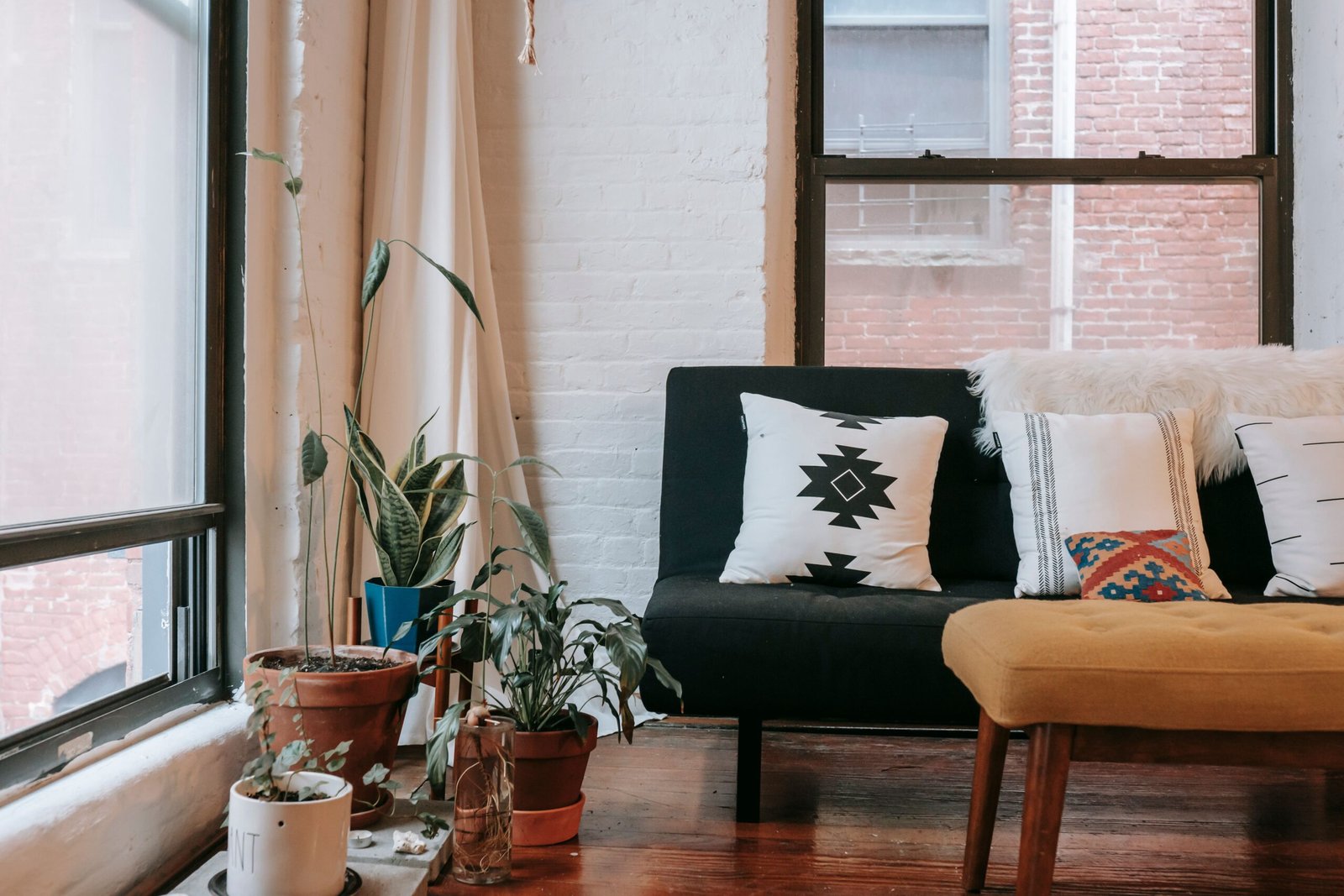
Low light is one of the most misunderstood labels in houseplant care. In a small apartment, a plant may sit several feet from a window, behind a balcony, under an overhang or in a room shaded by nearby buildings. Those conditions can be workable for some species, but "low light" never means "no light."
The best low-light plants for small apartments are species that tolerate reduced light and fit the realities of compact living: limited floor space, slower soil drying, fewer ideal windows and a need for containers that are easy to move and hard to overwater.
If you are choosing plants for an apartment more broadly, start with our guide to indoor plants for small apartments. This article focuses specifically on the dimmer end of the spectrum.
What "low light" actually means indoors
A low-light room still needs meaningful natural daylight. The Royal Horticultural Society gives a useful practical rule: if there is enough natural light to read a book by, some houseplants can usually grow there. A windowless room is a different situation and generally calls for supplemental lighting.
If you want to quantify the spot instead of relying on labels, use our houseplant light-measurement guide to check lux or foot-candles at leaf height.
Low-light tolerance is also not the same as low-light preference. Penn State Extension notes that pothos can survive low light for quite some time, but the plant eventually loses desirable leaf qualities such as variegation or brightness. That distinction matters: a plant may stay alive in a dim corner while growing slowly, stretching toward a window or producing less attractive foliage.
Quick picks for a small, dim apartment
| Plant | Why it works | Watering caution | Pot strategy |
|---|---|---|---|
| ZZ plant | Upright, slow-growing, tolerant of lower light | Let the mix dry well | Do not oversize the pot |
| Snake plant | Narrow vertical footprint | Overwatering is a bigger risk in dim rooms | Stable pot with drainage |
| Cast-iron plant | Very shade tolerant and durable | Water less often in low light | Broad, stable container |
| Chinese evergreen | Dense foliage in a manageable footprint | Avoid constantly wet soil | Compact draining pot |
| Parlour palm | Soft height without a huge canopy | Keep moisture even, not soggy | Stable pot for taller growth |
| Pothos | Trails or climbs instead of taking floor space | Allow some drying | Hanging or shelf-friendly pot |
| Spider plant | Uses vertical space well | Do not leave water standing around roots | Lightweight hanging pot with drainage |
| Peperomia | Compact for desks and shelves | Persistent wetness can damage roots | Small pot; avoid unnecessary upsizing |
1. ZZ plant — best for a low-maintenance corner
ZZ plant (Zamioculcas zamiifolia) is one of the strongest choices when you want an upright plant without committing much floor space or watering attention. The RHS includes it among plants suitable for shady rooms.
Why it fits: its vertical stems create height without a wide canopy, and its underground rhizomes store water.
Low-light reality: it tolerates reduced light, but growth will be slower than in good indirect light.
Pot strategy: use a draining container only slightly larger than the root mass. In a dim room the mix dries slowly, so an oversized pot creates more wet soil than the plant can use.
2. Snake plant — best for a narrow footprint
Snake plants are useful beside furniture, near a narrow window or in a bedroom corner because their leaves grow mostly upward. Penn State Extension describes snake plants as tolerant of low-light areas while noting that they perform best in brighter indirect light.
Why it fits: strong vertical form, limited spread and infrequent watering.
Low-light reality: tolerance is not a reason to put the plant in a permanently dark interior zone.
Pot strategy: choose a stable pot with a drainage hole. Taller clumps can become top-heavy, so very light decorative containers may tip more easily.
3. Cast-iron plant — best for genuinely shady rooms
Cast-iron plant (Aspidistra) earned its reputation by tolerating difficult indoor conditions. The RHS specifically highlights it for darker rooms and notes its long history as a durable houseplant.
Why it fits: upright leaves, modest spread and unusually good shade tolerance.
Watering: lower light means slower water use. Letting the upper part of the mix dry before watering again is safer than keeping the root zone continuously wet.
Pot strategy: a broad, stable container works well as the clump matures.
4. Chinese evergreen — best for dense foliage
Chinese evergreen (Aglaonema) is a useful option when you want fuller foliage without the footprint of a large statement plant. Darker-leaved forms are generally better suited to moderate or lower light than highly variegated forms.
Why it fits: compact clumping growth and strong visual impact.
Pot strategy: use a pot with reliable drainage and avoid moving into a much larger container before the roots need it.
5. Parlour palm — best for soft vertical texture
Parlour palm (Chamaedorea elegans) gives a small room height and movement without the massive leaves of many tropical floor plants. The RHS includes parlour palm among houseplants suited to lower-light, changeable indoor conditions.
Why it fits: elegant vertical growth and a relatively restrained canopy.
Pot strategy: use a container that is heavy enough to stabilize the plant but still easy to move for cleaning or seasonal light adjustments.
6. Pothos — best for shelves and hanging positions
Pothos is valuable in a small apartment because it can trail from a shelf, hang from a basket or climb a support. That lets you move foliage off the floor.
Its reputation as a "dark room plant" needs context. Penn State Extension says pothos can survive low light for quite some time, but it eventually loses qualities such as variegation or brightness. Moderate to bright indirect light produces stronger growth.
Why it fits: flexible growth habit and easy use of vertical space.
Pot strategy: use a compact pot with drainage. If hanging, make sure the hardware is rated for the full wet weight of pot, plant and substrate.
7. Spider plant — best for overhead space
Spider plants use shelves and hanging positions efficiently. The RHS lists spider plant among houseplants that tolerate lower-light and fluctuating indoor conditions.
Why it fits: a narrow base with foliage that arches outward and downward rather than occupying valuable floor area.
Pot strategy: lightweight planters are useful overhead, but drainage still matters. A cachepot can protect furniture if you remove the inner pot for watering and let it drain fully before returning it.
8. Peperomia — best for desks and compact shelves
Many peperomias stay small enough for a desk, side table or narrow shelf. The RHS includes baby rubber plant (Peperomia obtusifolia) among recommended houseplants for shady rooms.
Why it fits: small footprint, decorative foliage and manageable growth.
Pot strategy: resist the temptation to put a small plant into a large decorative pot. Extra wet substrate is especially slow to dry in low light.
The biggest low-light mistake: watering as if the plant were in bright light
A plant in a dim room usually grows more slowly and uses water more slowly. The RHS notes that plants in lower light do not dry out as quickly. That changes the watering schedule even if the species itself has not changed.
Instead of watering by calendar, check the growing medium. In many apartment situations, the right response to lower light is not "buy a tougher plant" but "water less often and improve drainage."
This is also why large decorative pots can be risky. A large volume of wet mix around a small root system can remain damp for a long time. For help matching container size, drainage and material to the plant, use Find My Pot.
When the room is simply too dark
Even shade-tolerant plants need usable light. Warning signs that a location may be too dark include:
- new growth becoming unusually stretched or weak;
- leaves consistently leaning strongly toward one window;
- variegated foliage losing color or contrast;
- the potting mix staying wet for very long periods;
- little or no new growth during the plant's normal growing season.
If the plant's best location is a windowless office, hallway or deep interior shelf, a grow light is usually a more honest solution than searching for a mythical plant that needs no light. The RHS provides dedicated guidance on artificial lighting for houseplants.
Low light, pets and small spaces
Small apartments bring plants and pets into closer contact. Do not assume a low-light plant is pet-safe because it is common. Before buying, verify the exact botanical species against a reputable toxicity reference such as the ASPCA database.
If pet safety is a priority, use our dedicated pet-safe plants for small apartments guide, where every featured plant is tied to ASPCA pet-friendly guidance.
If a pet chews foliage, placement can matter as much as plant choice. Hanging planters and high shelves can reduce access, but they are not a substitute for checking toxicity.
Which one should you choose?
- You forget to water: start with ZZ plant or snake plant.
- You have almost no floor space: try pothos or spider plant in a hanging or elevated position.
- You want the toughest shade option: cast-iron plant is a strong candidate.
- You want a compact desk plant: peperomia is easier to fit than a floor specimen.
- You want soft height: parlour palm gives a taller look without an enormous canopy.
- You want patterned foliage: consider a darker-leaved Chinese evergreen suited to your available light.
Frequently asked questions
Can a houseplant live in a room with no windows?
Not indefinitely on room lighting alone. A windowless space normally needs a suitable grow light if you want healthy long-term growth.
What is the easiest low-light plant for a small apartment?
ZZ plant and snake plant are practical starting points because they combine lower-light tolerance with infrequent watering and a compact vertical footprint.
Does pothos really thrive in low light?
Pothos can survive low light, but Penn State Extension notes that prolonged low-light conditions can reduce desirable leaf qualities such as variegation or brightness. It performs better in moderate to bright indirect light.
Should I water less in a dark apartment?
Usually, yes. Lower light generally means slower growth and slower drying. Check the potting mix rather than watering on a fixed schedule.
What kind of pot is best for low-light plants?
A pot with reliable drainage and an appropriate size for the root system is more important than a particular decorative material. In low light, avoiding excess wet substrate is especially important.
Sources and further reading
- Royal Horticultural Society — Houseplants for shady rooms
- Royal Horticultural Society — Choosing the best houseplants
- Royal Horticultural Society — Artificial lighting for indoor plants
- Penn State Extension — Low Light Houseplants
- Penn State Extension — Pothos as a Houseplant
- ASPCA — Toxic and Non-Toxic Plants