Measure usable space
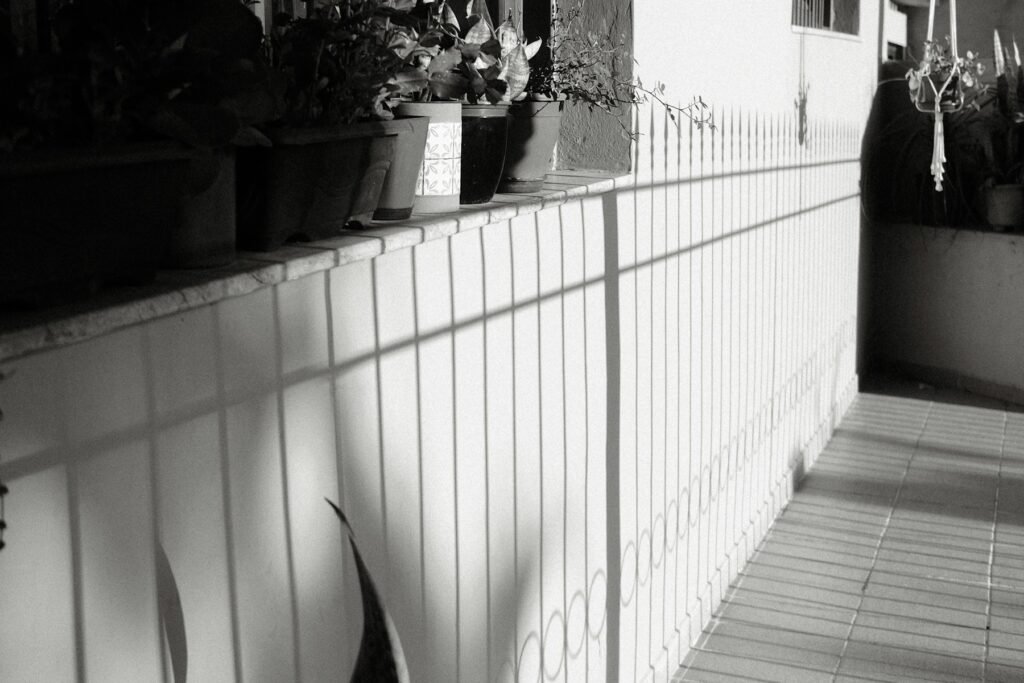
Doors, walkways, railings and furniture reduce the space that is actually available for plants.
Macetas y Más · Small-Space Gardening
Small spaces are not failed gardens. They simply make every choice—light, footprint, weight, drainage and placement—matter more.
Light exposure, usable footprint, container weight and access to water shape what can thrive in a compact space.
Before you choose
Small-space gardening works best when you treat light, footprint and weight as design inputs rather than afterthoughts.
Doors, walkways, railings and furniture reduce the space that is actually available for plants.
Balconies and windows can shift from shade to intense sun within a few feet.
Large wet containers become heavy fast. Mobility and safe placement matter.
Topic library
Start with a complete small-space plan, then narrow plants, light conditions and container choices with the supporting guides.
Choose 8 plants for a north-facing balcony, with guidance on shade, hemisphere, watering, containers and climate.
Choose 8 plants for windy balconies, with practical guidance on exposure, container stability, watering, sun and climate.
Choose 8 full-sun balcony plants for apartments, with practical notes on heat, wind, watering, containers and climate compatibility.
A practical starting point for apartment gardening: match plants and pots to real light, space, watering habits, pets and placement.
Ten space-friendly indoor plants for apartments, with practical guidance on light, watering, pot choice, vertical space and pet safety.
Eight apartment-friendly plants that tolerate lower light, plus honest guidance on watering, pots, grow lights and when a room is simply too dark.
Eight apartment-friendly houseplants on ASPCA pet-friendly guidance, with practical advice on light, pots, placement and small-space safety.
A practical guide to choosing indoor plant pots for small apartments, with drainage, sizing, material, weight, mobility and space-saving decisions explained.
Next decision
Choose plants around the conditions first, then use Find My Pot to narrow a practical container type for the location.