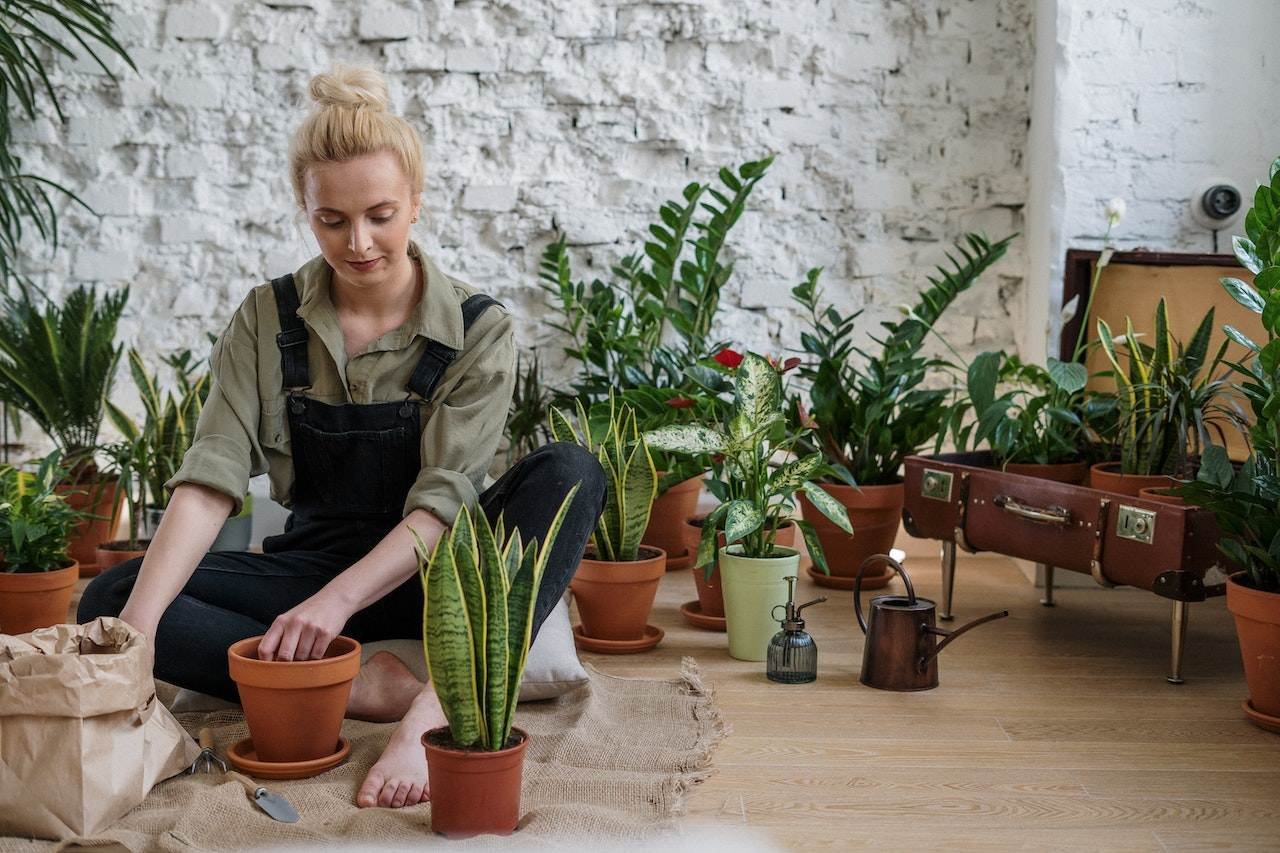
Gardening can be calming, absorbing and deeply satisfying - but the strongest case for it is more nuanced than "plants cure stress." Here is what current evidence says about gardening, mental well-being and how to build a restorative routine at home.
People have used gardens as places of rest, reflection and recovery for centuries. Today, gardening is also studied as a form of nature-based activity and, in some settings, as part of structured horticultural therapy. The evidence is encouraging, but it deserves to be described carefully.
A 2024 umbrella review and meta-analysis that examined 40 reviews found an overall positive association between gardening or horticultural activities and measures of well-being, health and quality of life. At the same time, the authors cautioned that the underlying studies were heterogeneous, which means the size and certainty of the effect vary across populations and interventions. More recent systematic reviews also report potential benefits for mood, social connection and mental health, while emphasizing that better-quality trials are still needed.
So the useful conclusion is not that a houseplant is a medical treatment. It is that gardening can be a meaningful, low-barrier activity that supports well-being for many people - especially when it creates routine, sensory engagement, movement, mastery and connection with nature.
Why gardening can feel restorative
1. It gives attention somewhere concrete to go
Watering, pruning, repotting and checking new growth are small tasks with visible feedback. That makes gardening different from many open-ended sources of stress: there is a clear action, a beginning and an end. The activity can occupy attention without demanding the intensity of a high-stakes task.
2. It creates a gentle routine
Plants reward consistency. A weekly check of soil moisture, a rotation toward the light, or a seasonal repotting session can become a simple rhythm inside a busy schedule. That routine can be useful precisely because it is modest and repeatable.
3. It creates visible evidence of progress
A new leaf, a rooted cutting or a plant recovering after a change in care gives immediate evidence that your actions matter. Research into therapeutic horticulture often describes meaning, mastery and purposeful engagement as part of the experience - not simply exposure to the color green.
4. It can connect people
Community gardens, horticultural groups and shared growing projects add a social dimension. A 2025 systematic review focused on people with mental health conditions found that participants described belonging, meaningful engagement and reduced isolation as important parts of facilitated gardening experiences. The researchers also noted that the long-term durability of these benefits remains uncertain.
Gardening is supportive - not a substitute for care
It is worth drawing a bright line here. Gardening can support well-being, but it should not be framed as a cure for depression, anxiety or other health conditions. If someone is struggling significantly, gardening is best thought of as one possible supportive activity alongside appropriate professional care, social support and other evidence-based strategies.
That distinction matters because exaggerated health claims ultimately make a site less trustworthy. Pots and More would rather tell you what gardening can plausibly offer than promise something a plant cannot deliver.
You do not need a garden to get the experience
The restorative part of gardening does not require a lawn, greenhouse or large outdoor plot. An apartment windowsill, balcony, shelf or kitchen counter can support a small but meaningful growing practice.
A one-plant routine
Choose one forgiving plant and learn it well. Notice how quickly its pot becomes lighter after watering, how the leaves orient toward the window and how growth changes with the seasons. Depth of attention can be more satisfying than accumulating dozens of plants.
A propagation station
Rooting a few cuttings in water or a simple propagation medium creates a slow, visible experiment. It is inexpensive and easy to observe. Avoid turning it into a competition for fastest growth; the point is the process.
A small herb container
If you have adequate light, herbs add another sensory layer: scent, texture and the satisfaction of using what you grow. Keep the container practical - good drainage, enough soil volume and easy access for watering.
A balcony container ritual
Outdoor pots invite a little movement: carrying water, deadheading, checking leaves and changing positions as sunlight shifts. If space is limited, fewer well-chosen containers usually create a calmer environment than a crowded collection of mismatched pots.
Build the environment so the hobby stays restorative
A plant hobby stops feeling restorative when it becomes an endless list of chores. A few design choices can prevent that.
- Use the right pot size. Oversized containers can stay wet too long; undersized ones can require constant watering.
- Plan drainage before decoration. A beautiful container is stressful if every watering session risks damaging the floor.
- Group plants by similar needs. It simplifies watering and reduces mental overhead.
- Keep tools visible but contained. A small tray or box for pruners, ties and a moisture meter is enough for most indoor collections.
- Choose plants for your actual light. No plant thrives in complete darkness. "Low light" means lower light, not zero light.
- Allow imperfection. A brown leaf tip is not a personal failure. Plants respond to complex living conditions.
If you are working with limited space, our guide to indoor plants for small apartments can help you choose plants that fit the room rather than simply the trend.
The pot matters more than it seems
The container affects how often you water, how the plant fits the room and how easy maintenance feels. A heavy pot can be annoying if the plant needs frequent movement; a very small pot can dry quickly; an ornamental cachepot can hide standing water if you forget to check it.
For a more systematic starting point, use Find My Pot. It begins with location, plant type and care priorities rather than a product catalog.
A 10-minute gardening reset
If you want gardening to function as a short restorative practice rather than another project, try this:
- Put your phone away for ten minutes.
- Choose three plants, not the whole collection.
- Look before acting: check leaves, surface moisture and weight of the pot.
- Water only what actually needs water.
- Remove one dead leaf or wipe one dusty surface.
- Notice one sign of change - new growth, a root, a bud, or even a problem worth watching.
- Stop when the ten minutes are finished.
The goal is not maximum productivity. It is attentive participation in a living system.
What current research does - and does not - support
The broad research picture supports a positive relationship between gardening activities and well-being. A 2024 umbrella review reported a significant positive pooled effect on well-being, while noting high variation among studies. A 2025 systematic review of social and therapeutic horticulture found promising effects for depression and anxiety outcomes but also identified substantial heterogeneity and risk of bias. Another 2025 review emphasized social connection, belonging and meaningful engagement in people participating in facilitated gardening programs.
Those findings are valuable, but they do not justify replacing clinical care with gardening or guaranteeing the same outcome for everyone. The sensible takeaway is that gardening is a promising supportive activity with multiple pathways - physical, social, sensory and psychological - through which it may contribute to well-being.
Frequently asked questions
Can indoor plants reduce stress?
Many people experience plant care and contact with nature as calming, and broader gardening research supports positive effects on well-being. The evidence is stronger for gardening and horticultural activity as a whole than for claims that simply owning a particular houseplant produces a clinical effect.
Do I need an outdoor garden?
No. Container gardening, indoor plant care and balcony growing can all provide routine, observation and hands-on engagement. The scale can be very small.
Is gardening a treatment for anxiety or depression?
Gardening and structured horticultural therapy may support mental well-being, but they are not substitutes for professional assessment or treatment when that is needed.
What is the easiest way to start?
Begin with one or two plants suited to your light conditions and choose containers with a clear drainage plan. Keep the routine simple enough that it remains enjoyable.
Sources and further reading
- Systematic Reviews (2024) - Gardening, well-being, mental health and quality of life: umbrella review and meta-analysis
- Social and therapeutic horticulture for depression and anxiety: systematic review and meta-analysis
- European Journal of Public Health (2025) - Gardening and well-being in people with mental health conditions
- Royal Horticultural Society - Easy-care houseplants