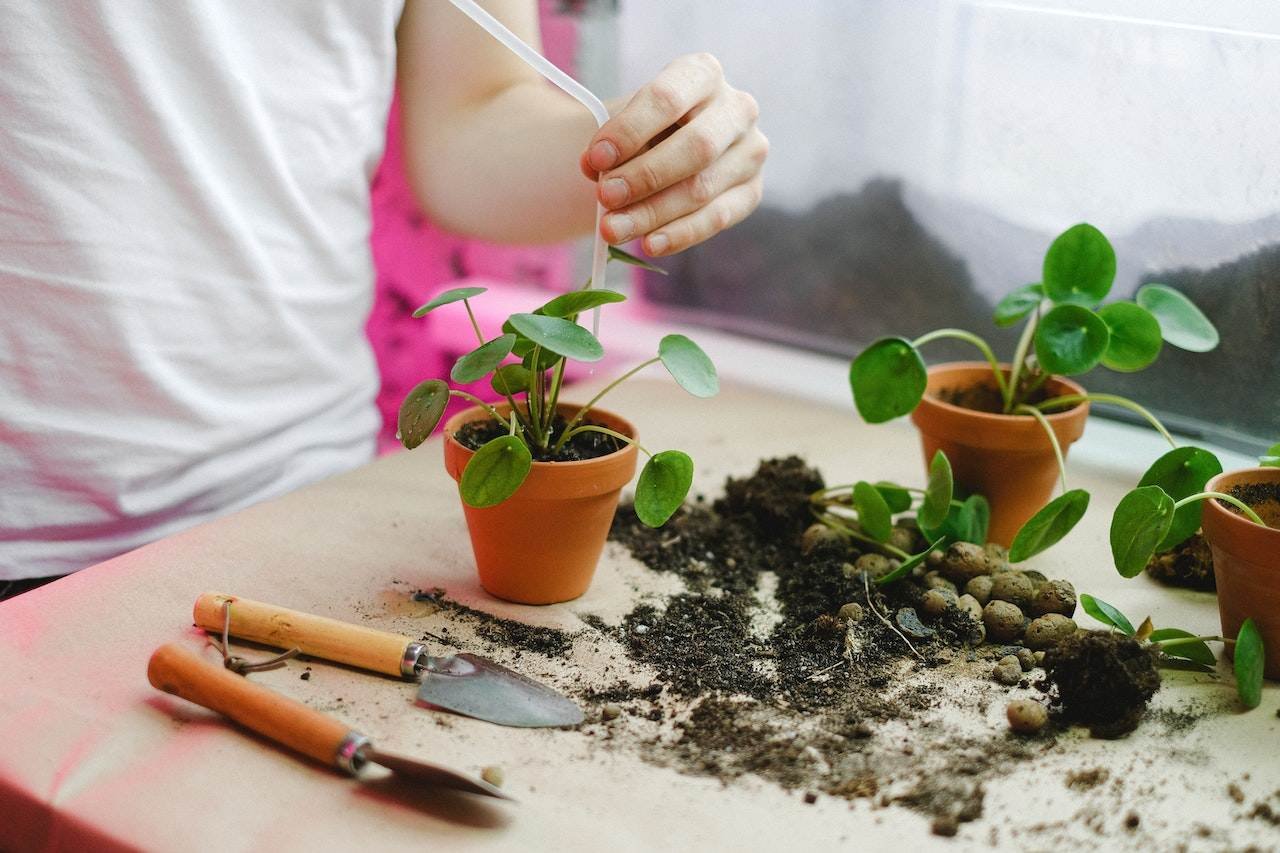
Good gardening supplies should make the work easier, safer and more repeatable. The best kit is not the biggest kit: it is a small set of tools and materials matched to the jobs you actually do.
Walk into any garden center and it is easy to believe that successful gardening requires a wall of tools. It does not. What matters is choosing equipment that fits the task, fits your body and can be maintained for years. A comfortable tool you use every week is usually a better buy than a specialized gadget that lives in a shed.
What makes a gardening tool "good quality"?
Quality is not one material or one price point. It is the combination of fit, construction, ergonomics, serviceability and suitability for the job. Penn State Extension notes that handle material, weight, shaft length, grip design and the way the tool head is attached all affect comfort and durability. A tool that is too heavy, too short or poorly balanced can make routine work more tiring than it needs to be.
Before buying, ask five questions:
- Is it the right tool for the task? A pruner, trowel and shovel solve very different problems.
- Does it fit your hand and height? Grip diameter, handle length and weight matter more than branding.
- Can worn parts be maintained or replaced? Replaceable handles, blades and springs extend useful life.
- Will the material tolerate your conditions? Stainless steel resists rust; carbon steel can hold an excellent edge but requires more care.
- Can you clean it properly? Smooth, accessible surfaces are easier to maintain between plants and seasons.
The essential gardening supplies most people actually need
1. A hand trowel that feels solid in your hand
A trowel is one of the highest-use tools in container gardening. Look for a comfortable grip, a strong connection between blade and handle, and a blade shape that can enter your growing medium without excessive force. If you garden mostly in pots, a narrow trowel often gives better control than an oversized one.
2. Bypass pruners for clean cuts
For living stems, bypass pruners are generally the more versatile choice because the blades pass one another rather than crushing the stem. The important part is fit: the handles should open comfortably within your hand span, and the lock should be easy to operate.
Keep them clean and sharp. University of Minnesota Extension emphasizes that soil and plant debris should be removed before disinfection because residue can interfere with the process. Cleaning tools after diseased plants is especially important when you move from one plant to another.
3. Gloves chosen for the work, not just appearance
Thin, flexible gloves are useful for potting and transplanting. Heavier gloves make more sense for rough materials, thorny plants or repeated handling of stone and timber. If a glove is so bulky that you remove it every five minutes, it is probably the wrong glove for that job.
4. A watering tool you can control
For indoor plants, a narrow-spout watering can gives precise control around foliage and small containers. Outdoors, a watering wand can reduce the need to bend and makes it easier to water at soil level. The goal is not high pressure; it is accurate delivery.
5. A reliable way to measure moisture
You do not need an electronic sensor for every plant. Start with observation: lift smaller pots to learn their wet and dry weights, feel the upper layer of potting mix where appropriate, and learn the moisture preference of the plant. A simple meter can be useful as a second opinion, but it should not replace understanding the plant and substrate.
6. Containers with real drainage
For most conventional container growing, drainage is fundamental. The Royal Horticultural Society states that drainage holes in the base of a container are essential and warns that waterlogging can damage roots. Decorative cachepots can still work beautifully, but the plant is often easier to manage when it remains in a draining inner pot that can be removed for watering.
If you are choosing a new planter rather than a tool, start with our Explore Pots guide or use Find My Pot to narrow the container type first.
Materials: stainless steel, carbon steel, fiberglass or wood?
There is no single best material. Choose according to use and maintenance tolerance.
- Stainless steel: corrosion resistant and easy to maintain; often a practical choice for hand tools used around damp potting media.
- Carbon steel: strong and capable of holding a sharp working edge, but it benefits from cleaning, drying and oiling.
- Wood handles: traditional, comfortable and good at absorbing shock when properly maintained.
- Fiberglass: light and strong, though damaged or weathered surfaces should be replaced rather than tolerated.
- Metal handles: durable but potentially heavier and less forgiving during repetitive work.
Ergonomics matter more than most buyers realize
A "professional" tool is not professional if it does not fit the person using it. Penn State Extension recommends considering handle length, grip shape, weight and leverage. Longer handles can reduce bending for some tasks; lighter tools may reduce fatigue; enlarged or cushioned grips can help some gardeners work more comfortably.
Try a tool before committing when possible. Mimic the motion you will use in the garden. A shovel should feel stable when you place a foot on it. Pruners should not force your wrist into an awkward angle. A hand fork should feel like an extension of your hand rather than a metal object you are fighting.
What to skip
Several purchases look useful but often add clutter rather than capability:
- multi-tools that perform six jobs poorly instead of one job well;
- very cheap pruners with loose pivots and blades that cannot be serviced;
- oversized tool sets that duplicate the same function;
- electronic gadgets that generate data you do not know how to act on;
- decorative pots without a drainage plan;
- "eco" products whose material or disposal route is not actually explained.
A good rule is simple: buy the tool when a recurring task proves you need it, not because a checklist says every gardener should own one.
Cleaning and maintenance: the quality multiplier
Even excellent tools deteriorate if they are stored wet, covered in soil or used with damaged edges. Build a short maintenance routine:
- Brush or wash away soil and plant residue.
- Dry metal parts before storage.
- Disinfect tools when moving away from diseased plant material.
- Sharpen cutting tools when they begin tearing rather than cutting cleanly.
- Inspect handles, fasteners and locking mechanisms.
- Store tools somewhere dry and easy to access.
University of Minnesota Extension provides detailed guidance for cleaning and disinfecting garden tools, while Penn State Extension notes that sharpening and maintenance can extend tool life and make work more efficient.
A practical starter kit by garden type
Indoor and apartment plants
Hand trowel, small bypass pruners, narrow-spout watering can, gloves, saucers or waterproof trays, and a container brush. Add a small scoop and plant ties only if your collection requires them.
Balcony or patio container garden
Add a hand fork, compact broom, watering wand or hose attachment, stable storage bin and a way to move heavier planters safely.
Raised beds or larger outdoor garden
Add a full-size shovel or spade, rake, loppers where woody growth requires them, and a hoe or cultivator suited to the soil and weed pressure you actually have.
Quality gardening supplies: a final buying checklist
- The tool solves a recurring job.
- It fits your hand, height and strength.
- The working edge or head is securely attached.
- Replacement or maintenance is possible.
- The weight is comfortable for repeated use.
- It can be cleaned and stored easily.
- You understand what the material requires.
- You are not buying duplicate functions.
Frequently asked questions
Are expensive gardening tools always better?
No. Higher price can reflect better materials, manufacturing and serviceability, but fit and task suitability matter just as much. A modest tool that is comfortable and maintainable can be the better choice.
Is stainless steel always better than carbon steel?
No. Stainless steel is easier to maintain because it resists corrosion, while carbon steel can be very durable and sharpen well if it is cleaned, dried and protected.
How often should garden tools be cleaned?
Remove soil and debris after use when practical. Clean and disinfect more thoroughly before storage, before a new season, after working with diseased plants, or before bringing tools from another garden into yours.
What should a beginner buy first?
Buy for the work you already know you will do. For container gardeners, a comfortable trowel, bypass pruners, gloves and a controllable watering tool cover a surprising amount of work.